From Greenfield Site to Turnkey Concrete Plant in Less Than 12 Months
In an established, leafy Brisbane suburb, CMQ Engineering transformed a greenfield site into a 200-cubic-yard-per-hour concrete production facility for Neilsens Concrete
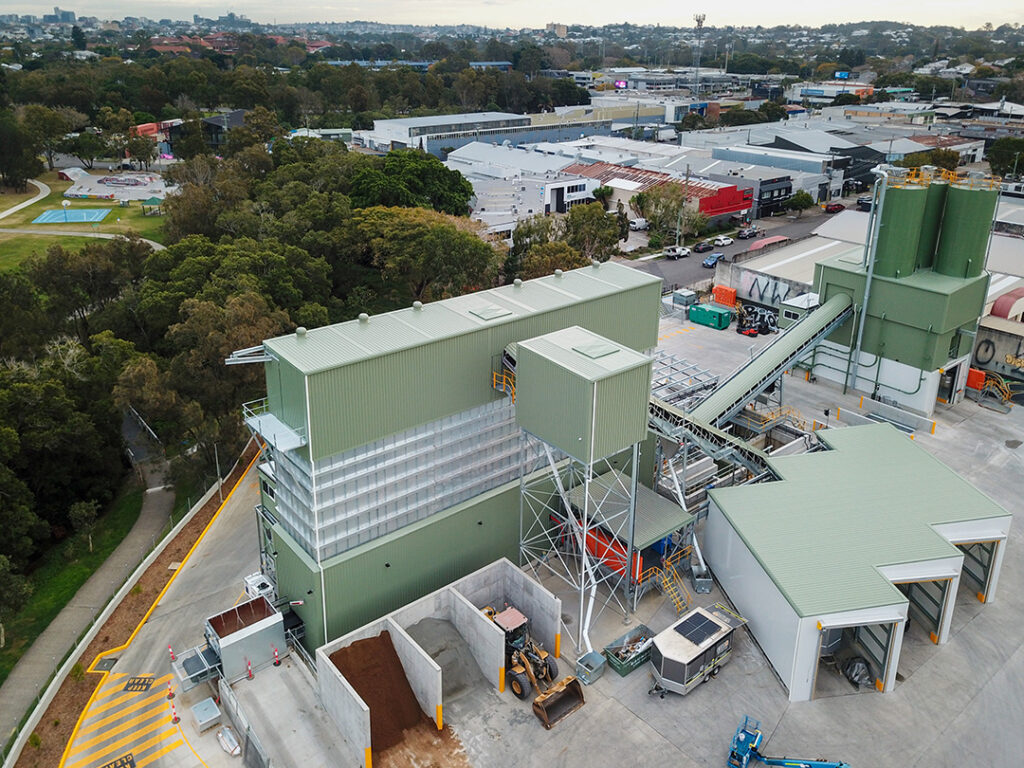
Coorparoo is not the sort of place most people would picture when they imagine a major concrete batching plant. Located just a few miles southeast of central Brisbane, the established inner suburb is a mix of homes, businesses, busy streets and pockets of green space. Parks and shared paths weave through the community, while the Coorparoo Creek and Norman Creek waterways form part of a broader network of green corridors and natural areas. Brisbane City Council has made the protection and improvement of these waterways, parklands and habitats an important part of the area’s ongoing development.
It is an urban environment where industrial development has to coexist with the community around it.
And that was the setting for one of CMQ Engineering’s most ambitious recent projects.
In September 2025, the future site of Neilsens Concrete’s new Coorparoo batching plant was, for all practical purposes, a greenfield construction site.
There was a site. There was a plan. And there was a lot of work ahead.
Less than 12 months later, the same piece of ground had been transformed into a complete, high-capacity concrete production facility — one capable of producing approximately 200 cubic yards of concrete per hour.
Between those two points in time was a remarkable construction effort involving civil construction, structural steel, mechanical equipment, conveyors, cement storage, electrical systems, automated controls, water management and environmental protection.
And CMQ Engineering coordinated the entire journey.
It started from the ground up
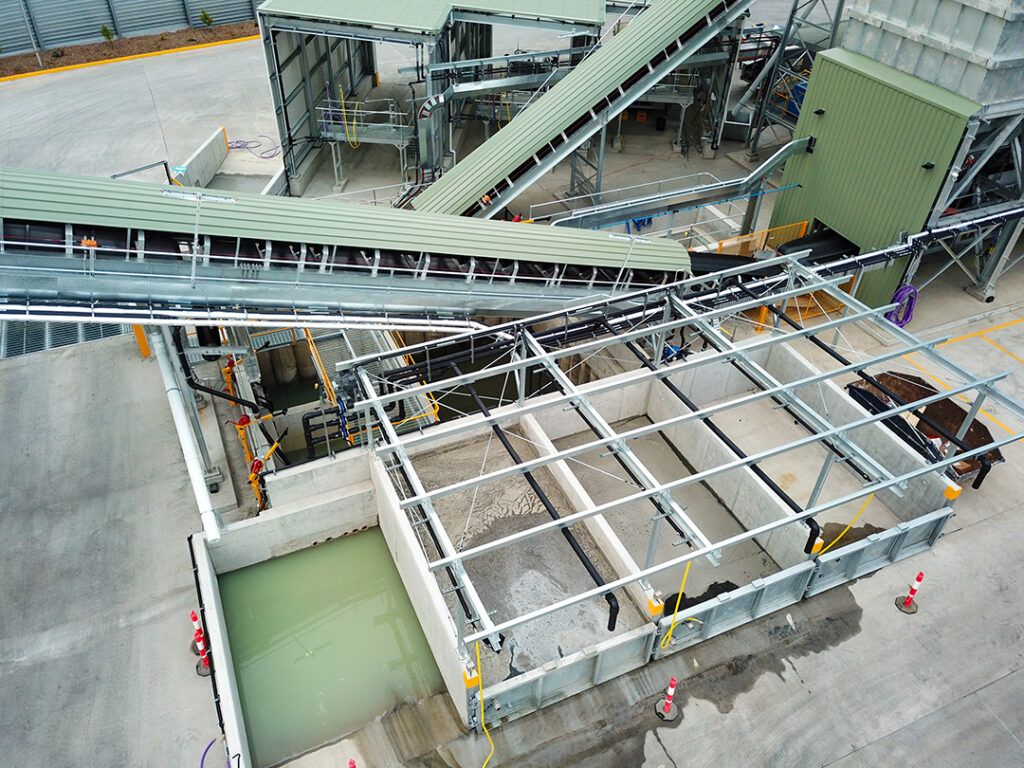
Before a single batch of concrete could be produced, the site itself had to be built. That meant piling and foundations. Major reinforced-concrete structures. Equipment foundations. Pavements. Drainage. Water-management infrastructure. It also meant creating a way for thousands of tons of aggregate to enter the facility and make its way through the production process.
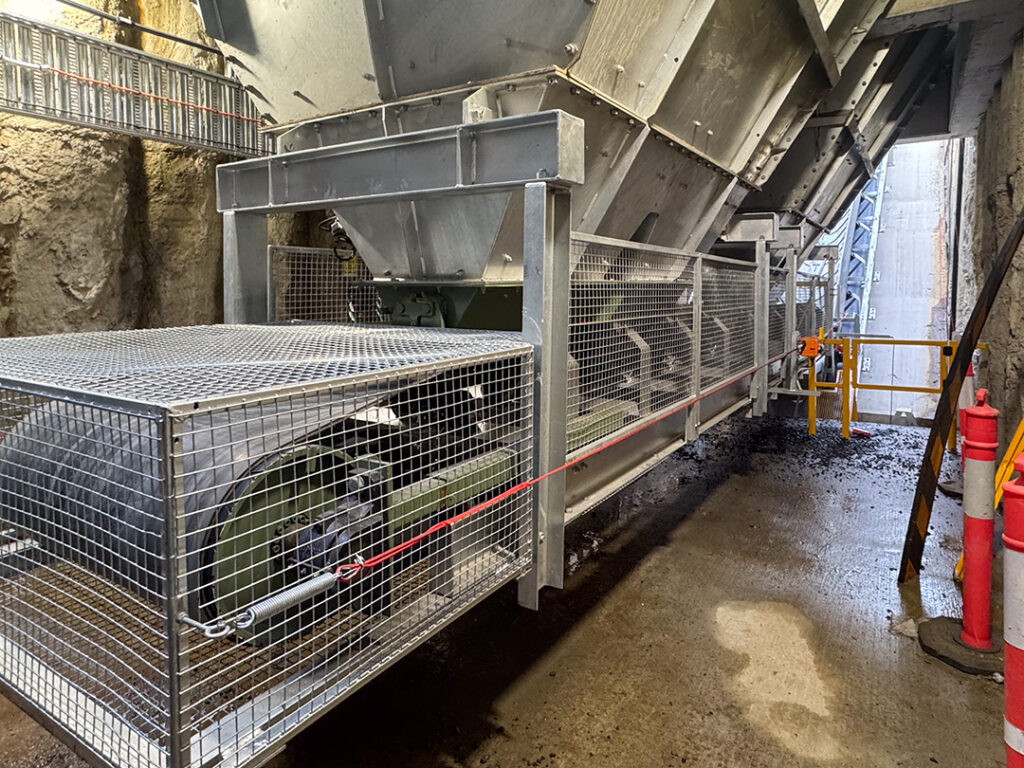
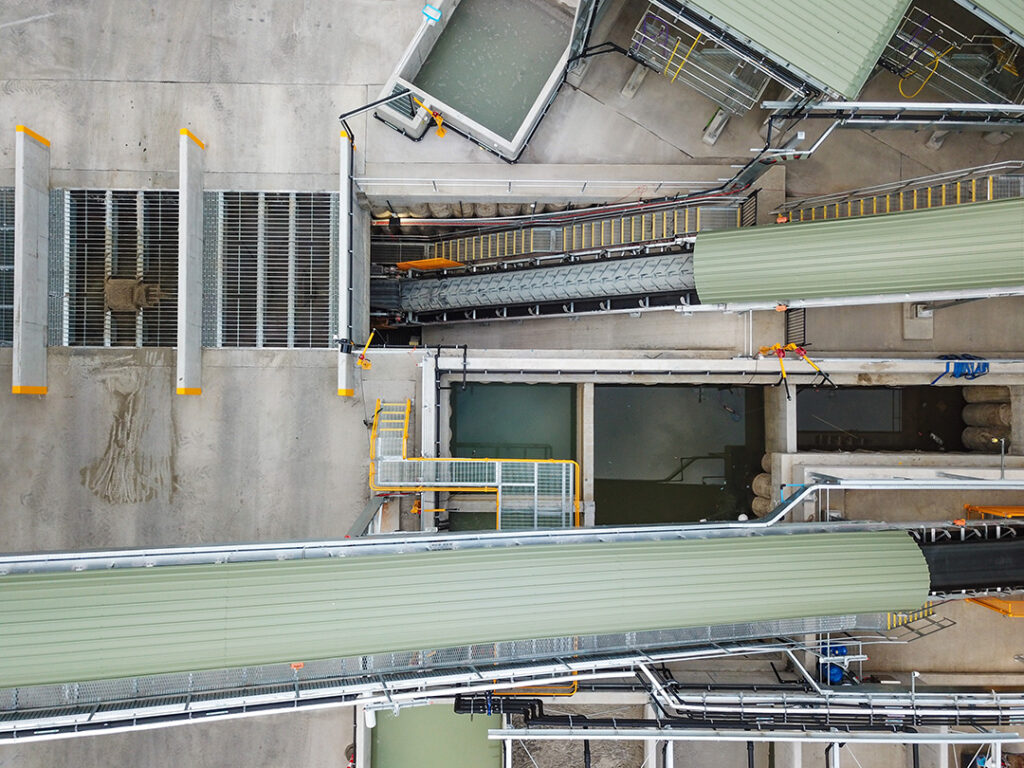
Two drive-over receiving grates feed two 55-ton in-ground aggregate receiving bins. From there, aggregate begins a six-stage journey through inclined, horizontal and shuttle conveyors, moving from receiving to storage, then weighing, before arriving at the heart of the batching plant.
Seven overhead storage bins provide approximately 1,710 tons of aggregate storage capacity.
What began as an empty construction site was becoming a carefully engineered material-handling system — one capable of receiving, storing, weighing and moving enormous quantities of raw material. And that was only the beginning.
Building the heart of the plant
At the center of the facility is the CMQ “Nucleus” — the point where the individual ingredients come together to become concrete.
Seven aggregate weigh hoppers, each capable of holding approximately 10 tons, provide the primary aggregate batching capacity. A dedicated 10-ton Specials Hopper provides additional flexibility for specialty materials.
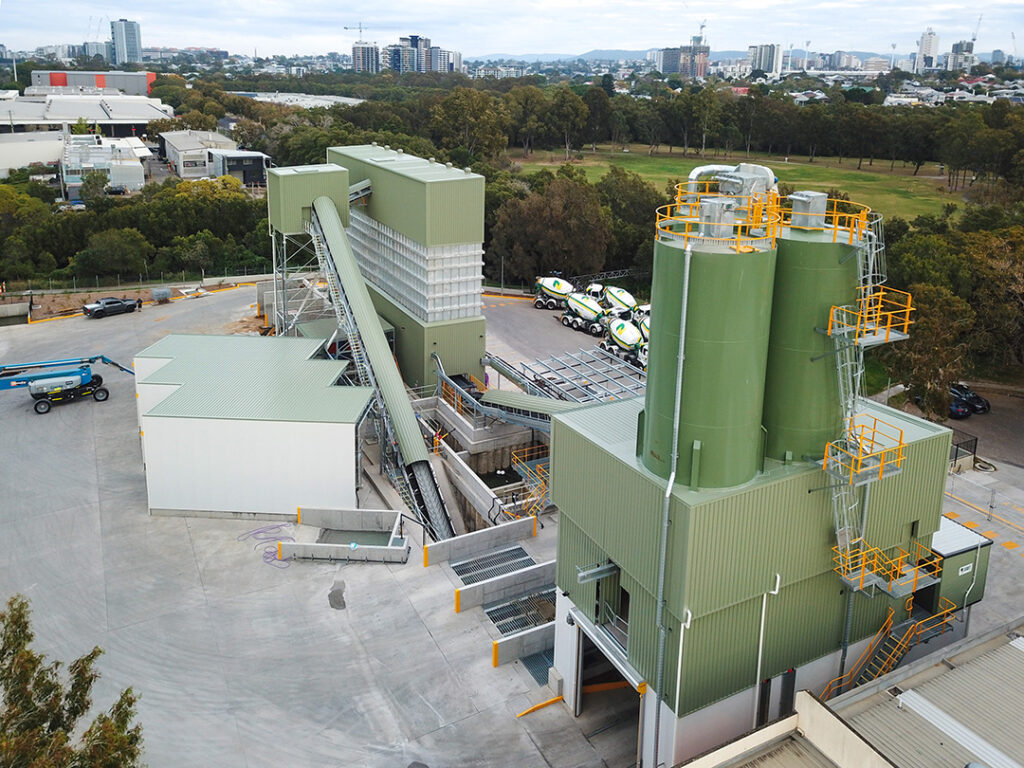
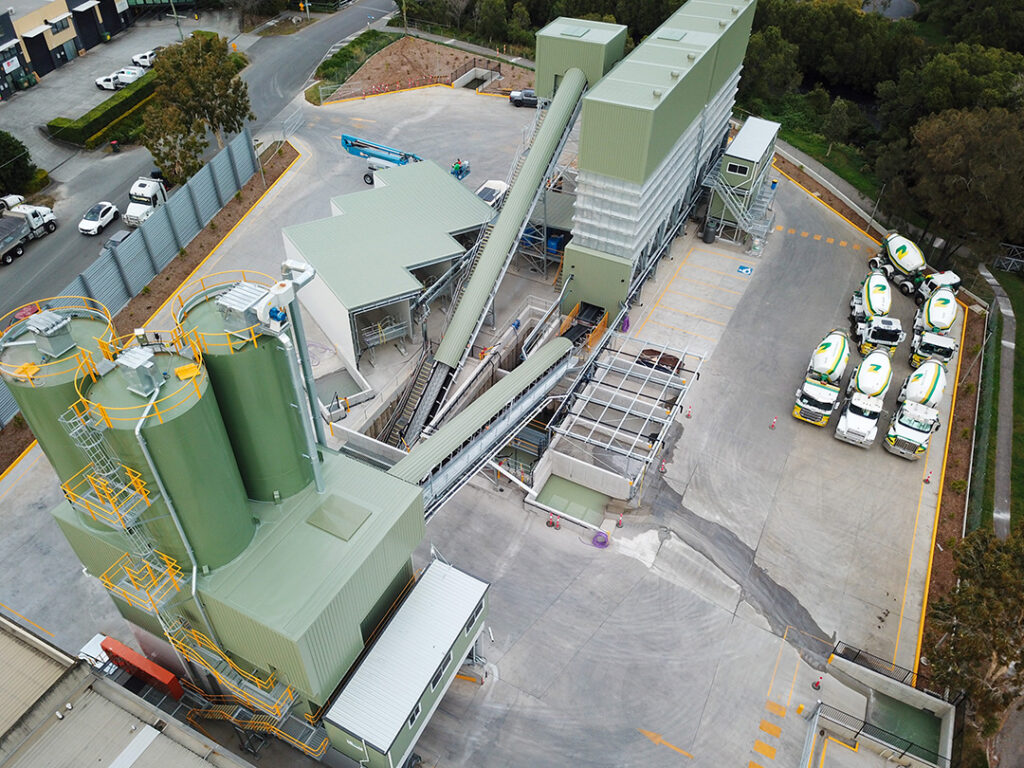
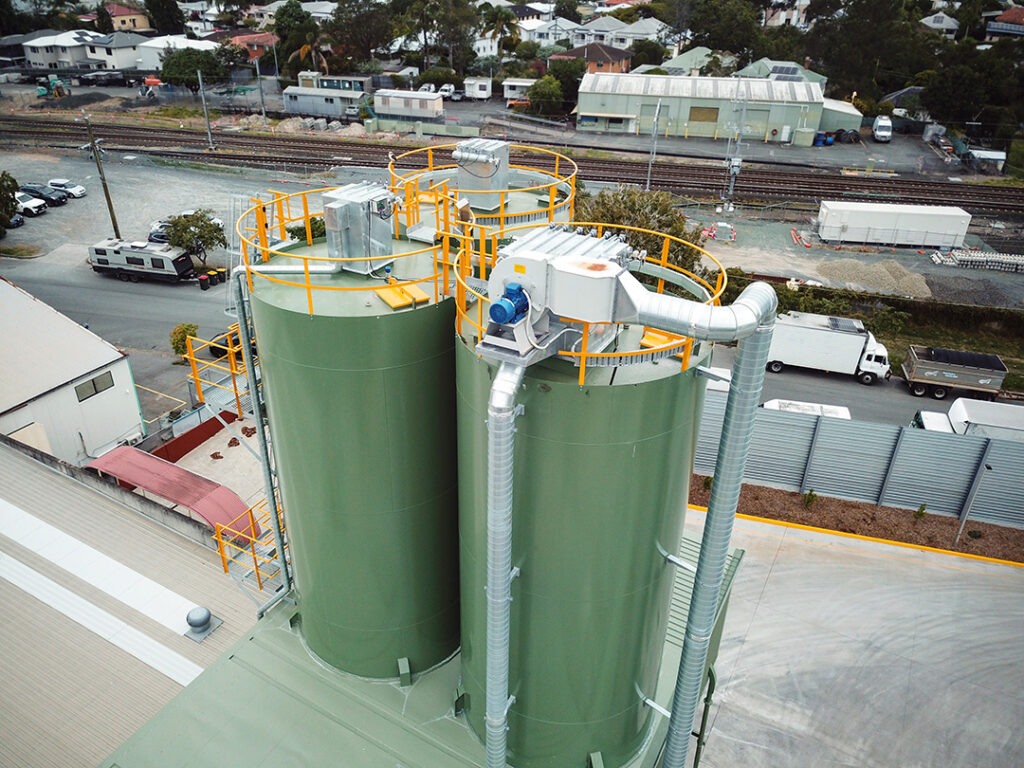
The Nucleus itself incorporates a 20-ton aggregate holding hopper, a 5.5-ton cement weigh hopper, a 1,057-gallon water holding hopper and a 528-gallon water weigh hopper. Above it all stand three cement silos, each holding approximately 165 tons, for a combined cement-storage capacity of nearly 496 tons.
Piece by piece, the plant took shape.
Foundations became structures. Structures became equipment supports. Equipment supports became conveyors, hoppers and silos. Platforms, stairs and handrails turned individual pieces of machinery into an accessible working facility. And gradually, a collection of separate components began to look like what it was always intended to become:
A complete concrete production plant.
More than steel and machinery
A modern batching plant is a little like an iceberg. Much of what makes it work is hidden behind the equipment that catches your eye.
Behind the conveyors and silos is an extensive electrical and control system responsible for coordinating the entire operation. CMQ Engineering installed the plant’s Main Switchboard and multiple Motor Control Centers, along with field instrumentation, safety devices and associated electrical infrastructure.
The Jonel Archer™ batching system and SCADA provide control and monitoring of batching, aggregate handling, water management and cement-silo filling. Two 29.5-horsepower screw compressors supply the plant’s compressed-air system. Water and process services run throughout the facility. Every one of those systems has to work with the others.
A conveyor cannot simply start whenever it wants. A weigh hopper cannot discharge at the wrong moment. A cement silo cannot be filled without the system knowing how much material it can safely accept.
The plant works because hundreds of individual components have been engineered and integrated into one coordinated system.
That integration was one of the central challenges of the Coorparoo project.
Building a concrete plant in a green urban environment
The setting made another part of the project especially important.
Coorparoo is an established community with significant green space and connections to the local creek and parkland network. Brisbane’s broader environmental planning emphasizes the importance of vegetation, waterways, habitat and stormwater management in maintaining the city’s subtropical character and resilience.
A concrete plant operating in that environment has to do more than produce concrete.
It has to control what leaves the site.
At Coorparoo, environmental protection was therefore incorporated into the facility from the beginning. An acoustic wall runs along the property boundary. Around the Nucleus and slump-stand areas, acoustic insulation and cladding help contain operational noise. The three slump stands are enclosed and fitted with high-speed acoustic roller doors. During normal operations, the doors can remain closed while trucks are loaded and concrete is handled, helping contain noise within the facility.
Dust control was built into the plant as well.
The cement silos are equipped with dedicated dust filtration and automated overfill protection. The Nucleus loading arrangement is designed to minimize cement dust during truck loading, while conveyor transfer points are enclosed or covered where appropriate. Conveyor covers and spray systems help control material spillage, while spill trays and scrapers help keep material contained rather than allowing it to accumulate around the plant.
But perhaps the most important environmental system is the one that deals with water.
Capturing the water instead of losing it
Concrete production and truck washout generate process water that cannot simply be allowed to flow away uncontrolled. At Coorparoo, that water is part of an integrated collection, settlement and recycling system. Washout bays, wedge pits, recycled-water stirring and settlement pits, first-flush management, pumps and process pipework work together to capture and manage water generated by plant operations.
The objective is straightforward:
Keep process water on the site, manage it properly and reuse it where appropriate.
Drainage and containment measures also provide additional protection during significant rainfall and flooding events — an important consideration in a region where stormwater management and creek health are significant components of urban planning.
It is a reminder that building a modern concrete plant isn’t simply about figuring out how to make concrete faster. It is also about figuring out how to manage everything that comes with making concrete.
From empty site to production facility
The finished plant is designed to produce approximately 200 cubic yards of concrete per hour. But perhaps the most impressive number associated with the project isn’t its production capacity.
It is the timeline.
In September 2025, the site was effectively a greenfield construction area.
Over the months that followed, it became a construction site, then a collection of foundations and structures, then a network of conveyors, silos and equipment, and finally a complete concrete production facility.
Civil crews built the foundations. Structural and mechanical crews erected the plant. Electrical crews installed the power and controls. Process systems were connected. Water-management infrastructure was integrated. Automation brought the individual pieces together. And CMQ Engineering coordinated those disciplines as one project.
Less than 12 months after work began, the transformation was nearing its final stage: commissioning and operational handover.
What had started as an undeveloped site in an established Brisbane community was now a 200-cubic-yard-per-hour concrete batching facility, ready to become part of Neilsens Concrete’s production network.
The finished facility
The Neilsens Coorparoo plant includes:
- Approximately 200 cubic yards/hour production capacity
- Two 55-ton in-ground aggregate receiving bins
- Seven overhead aggregate storage bins
- Approximately 1,710 tons of aggregate storage
- Six-stage aggregate conveyor system
- Seven 10-ton aggregate weigh hoppers
- Dedicated 10-ton Specials Hopper
- Three 165-ton cement silos
- Approximately 496 tons of total cement storage
- CMQ Nucleus batching structure
- 20-ton aggregate holding hopper
- 5.5-ton cement weigh hopper
- 1,057-gallon water holding hopper
- 528-gallon water weigh hopper
- Three enclosed acoustic slump stands
- Integrated washout and recycled-water system
- Two 29.5-horsepower screw compressors
- Integrated electrical and MCC infrastructure
- Archer batching controls and SCADA
- Comprehensive dust, noise, drainage and material-containment systems
The numbers tell you what was built. The setting tells you why it had to be built carefully. The construction tells you how much went into it. And the timeline tells the story.
In less than 12 months, a greenfield site in an established Brisbane community became a complete, high-capacity concrete production facility.
That is the Coorparoo project.
That is CMQ Engineering.