
Graded Aggregates, Cement Reduction and the Future of Concrete Batch Plants
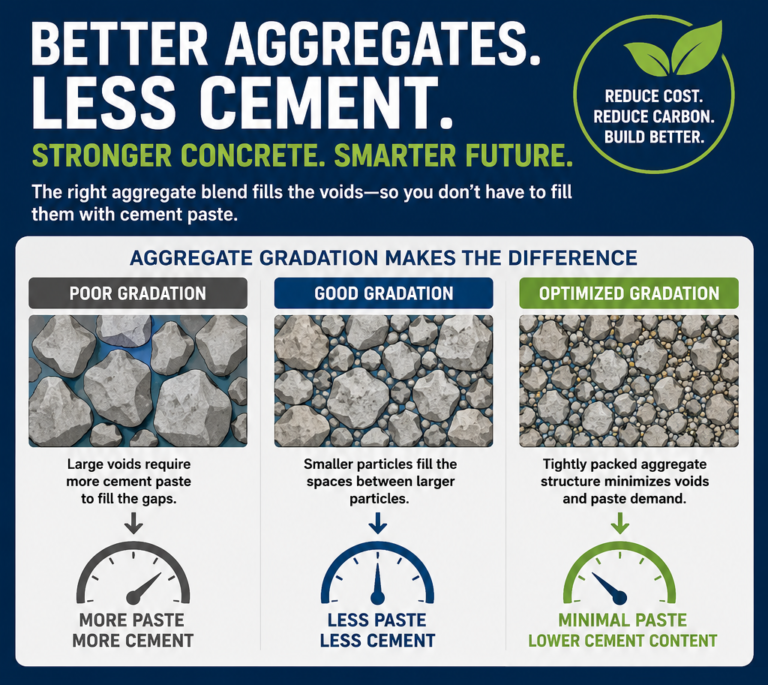
Why precision aggregate blending may be one of the most important technologies for producing better Ready Mix Concrete with less cement For decades, the concrete industry has generally approached higher-strength concrete in a familiar way: increase the cementitious content. But as cement prices rise and concrete producers face increasing pressure to reduce embodied carbon, the
Designed to Fit the Site: Advantage 250™ Layout Flexibility in Raleigh, North Carolina
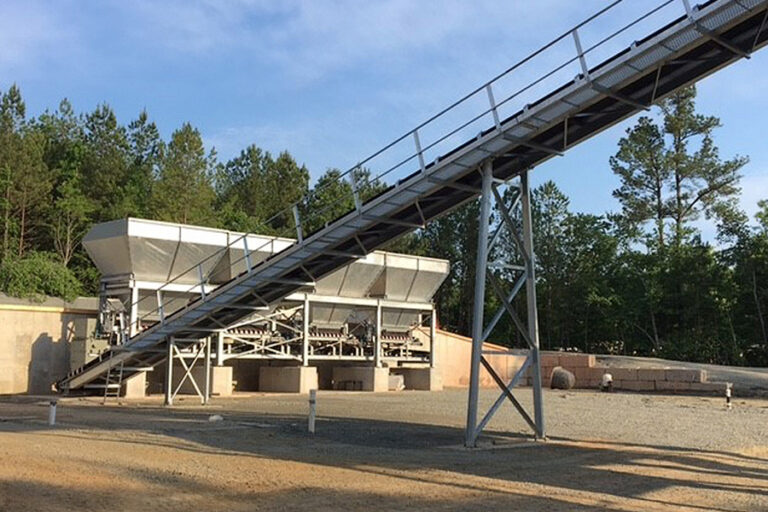
When planning a new ready mix concrete plant, production capacity is only part of the equation. The site itself can be just as important. Available acreage, property boundaries, existing structures, traffic flow, stockpile locations, terrain, and access for loaders can all influence how a concrete batch plant needs to be arranged. A plant designed around
At the Heart of CMQ Engineering’s Concrete Reclaimer: The Trommel Screen
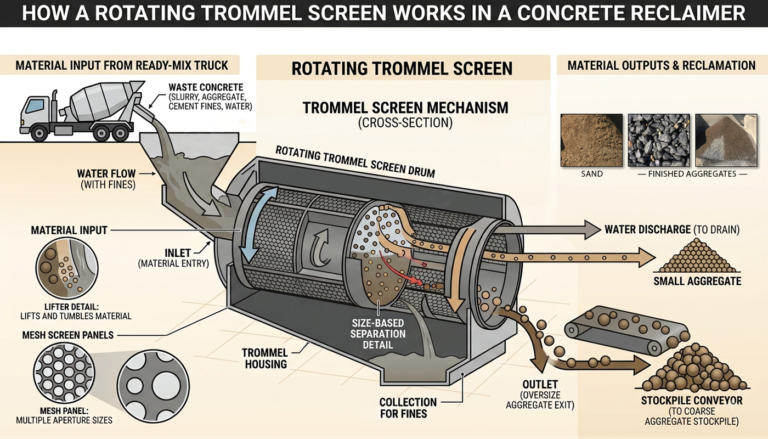
At the heart of CMQ Engineering’s concrete reclaimer is a deceptively simple piece of equipment: The trommel screen. A trommel screen is a rotating cylindrical screening device that separates materials by size. In a concrete reclaimer, it performs the critical job of separating coarse aggregate from the cementitious slurry and wash water contained in returned
Faster Cement Loading for a Middle Texas Ready Mix Producer
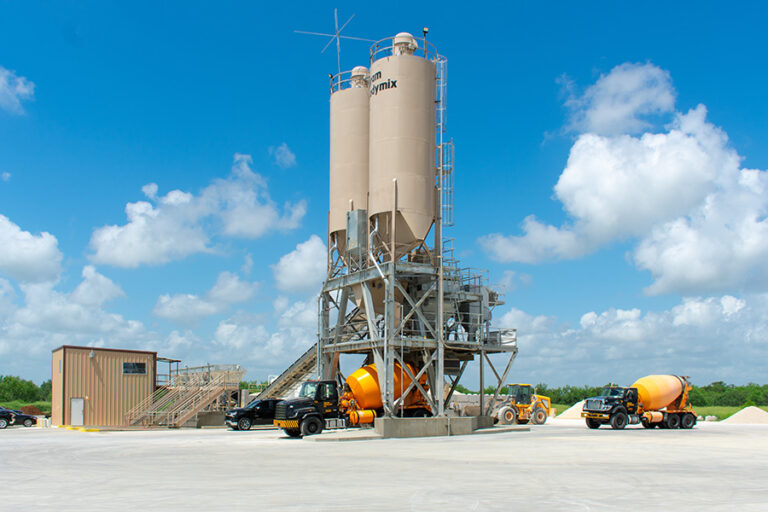
For a high-production ready mix concrete plant, speed isn’t determined by aggregate batching alone. Every material entering the mix must move quickly, accurately, and reliably — or the entire production process can slow down. That’s one reason a ready mix producer serving Floresville, Wilson County, and the greater San Antonio area selected the Fast Cement™
Better Concrete for the Texas Hill Country Starts Long Before the Mixer
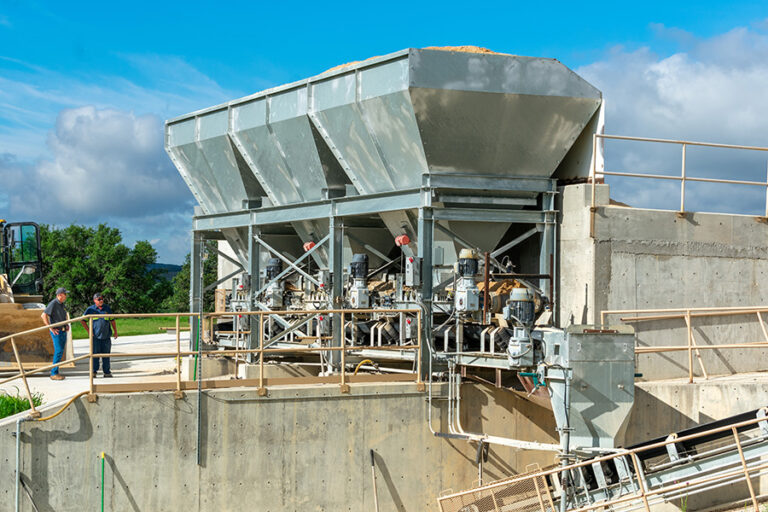
A 3-bin aggregate blending unit with stream-mounted sand moisture probe at a ready mixed concrete plant manuctured by CMQ Engineering. This installation is located near Kerrville, Texas Across the Texas Hill Country, concrete producers face unique challenges. From rapidly growing communities around Kerrville to expanding commercial development throughout Central Texas, today’s ready-mixed concrete suppliers are
Weigh Belts: Faster, More Accurate Batching Than Weigh Hoppers
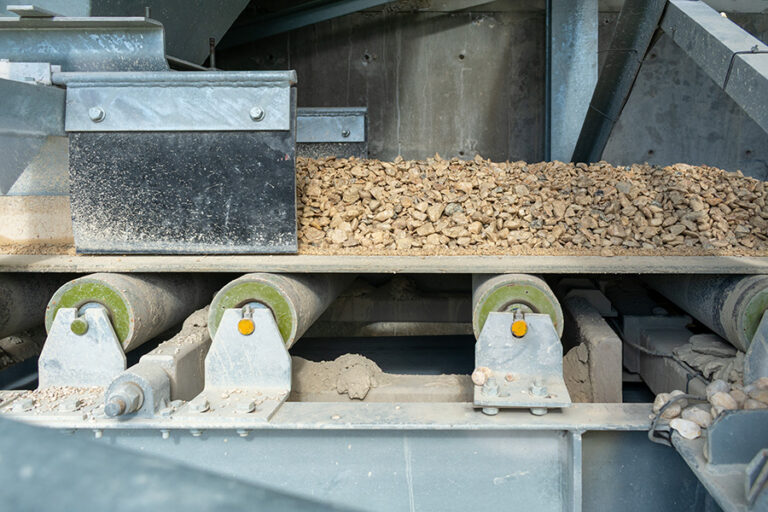
Modern ready mix concrete plants are under constant pressure to produce more concrete in less time while maintaining exceptional quality and consistency. Every improvement in the batching process helps reduce truck turnaround times, increase daily production capacity, and improve profitability. Through the use of precision weigh belts instead of weigh hoppers, today’s most advanced ready
Why Ready Mix Concrete Producers Should Consider a Twin Shaft Mixer
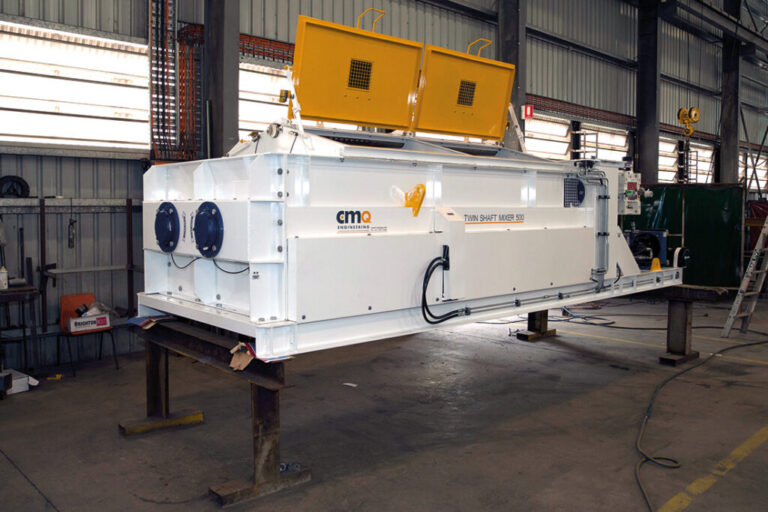
The ready mix concrete industry has changed dramatically over the past decade. Customers expect more than standard residential concrete—they demand specialty mixes, faster delivery, greater consistency, and dependable quality on every load. At the same time, producers face increasing pressure to improve productivity while controlling operating costs. For many ready mix concrete plants, meeting these
Concrete Is Only as Good as the Gradation Feeding It
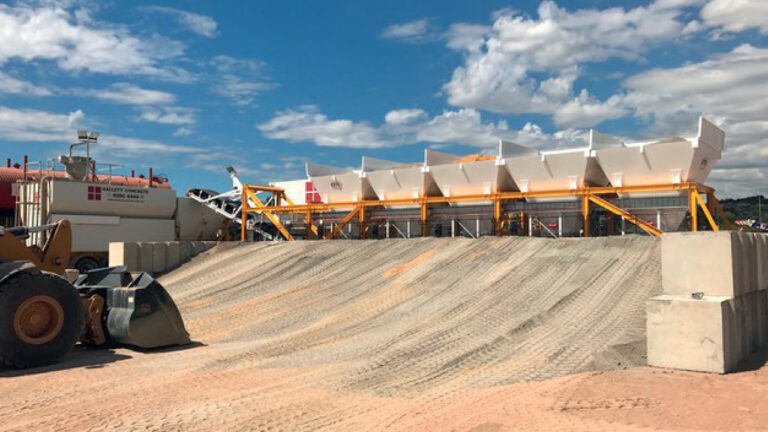
Why Aggregate Control Matters in a Modern Ready Mix Concrete Plant In the concrete industry, conversations about mix quality often focus on cement content, admixtures, or compressive strength. But long before cement ever reaches the truck, one of the most important factors in concrete consistency is already taking shape: Aggregate gradation. Inside every high-performing ready
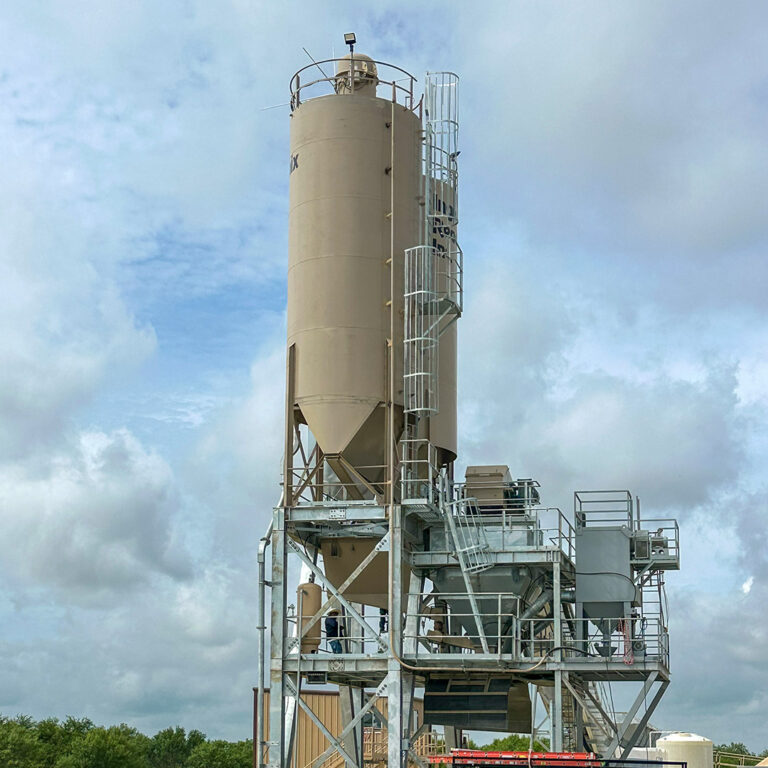
Why Cement Flow Matters in a Modern Ready Mix Concrete Plant
When producers think about improving concrete quality, most conversations focus on mix design, admixtures, and of course, aggregate gradation. But one of the most overlooked contributors to batching consistency inside a modern ready mix concrete plant is the movement and storage of cementitious materials themselves. As today’s concrete mixes increasingly incorporate supplementary cementitious materials such as
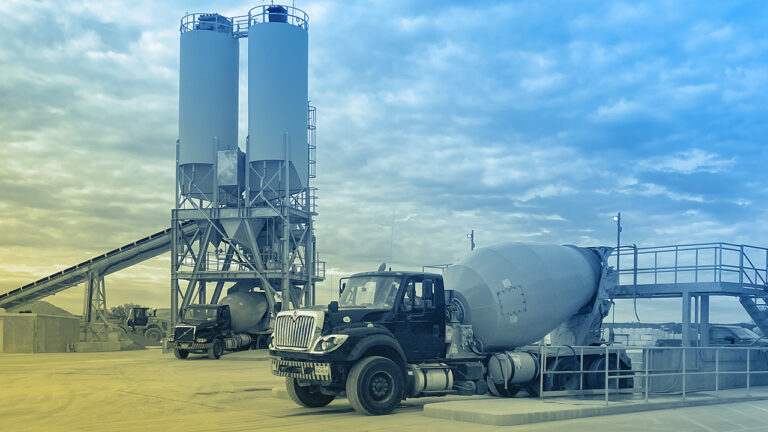
Concrete Isn’t Just Mixed Anymore. It’s Engineered in Motion.
Every batch of concrete starts the same way: cement, water, sand, and aggregates. But how those materials come together determines everything — strength, consistency, durability, and performance in the field. Traditional batching plants rely on a stop-and-drop process. Aggregates fall into weigh hoppers one at a time, relying on gravity, timing, and sequence. While effective,
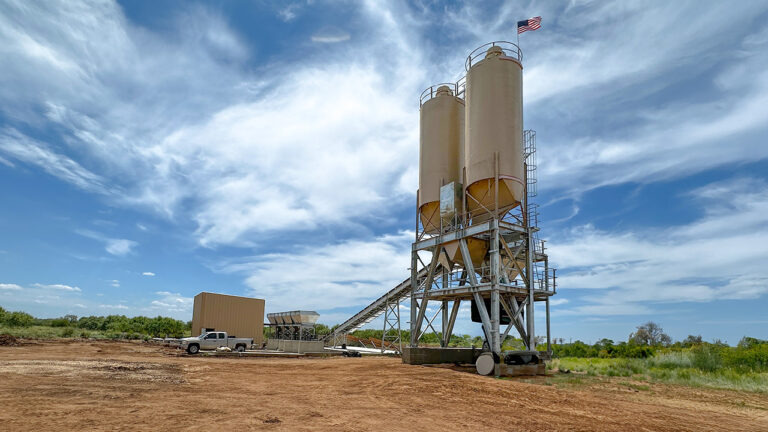
The Evolution of Concrete and the Future of Precision Production
Why Modern Batch Plants Like the Advantage 250™ Are Defining the Next Era of Ready-Mix Concrete is often described as the backbone of modern civilization — and for good reason. It is the most widely used construction material on earth, shaping everything from highways and bridges to high-rise towers and industrial infrastructure. But behind its
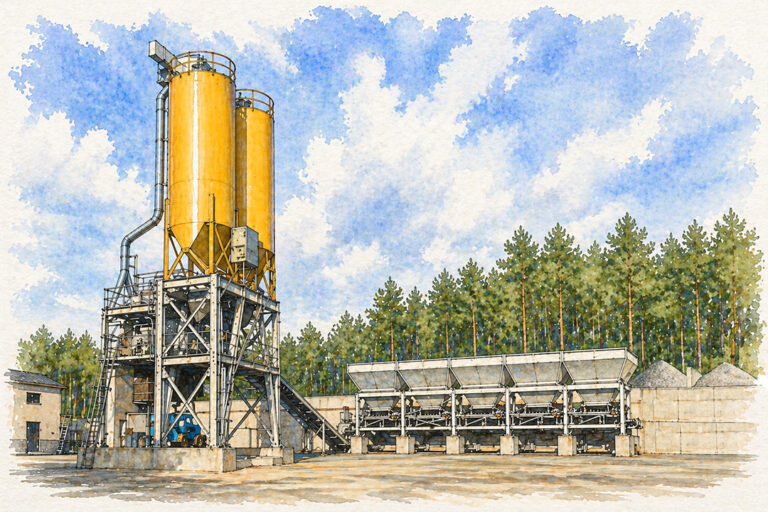
Why Inline Blending Produces Superior Concrete
In today’s construction environment, consistency isn’t just preferred — it’s essential. The difference between average concrete and high-performance concrete often comes down to how it’s produced. That’s where Advantage 250™ concrete batch plant’s precision inline blending changes the game. Reduced Segregation One of the most significant advantages of inline blending is how it handles aggregate
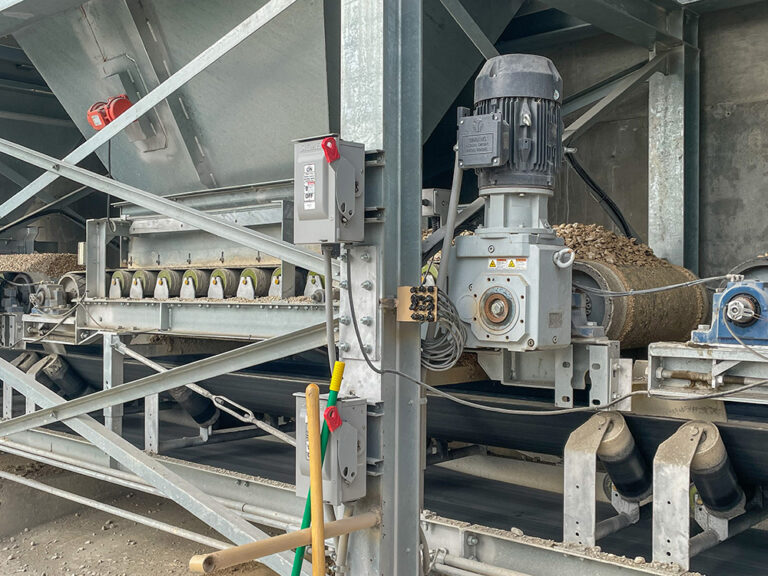
Precision Matters: Why Belt Weighers Are Changing the Game in Concrete Batching
In concrete production, consistency isn’t just a goal — it’s the foundation of quality. For decades, traditional repose batching plants have relied on gravity: aggregates are dropped one at a time into a weigh hopper, measured, and then discharged. It’s a familiar system, but one that introduces variability at every step — from inconsistent material flow to
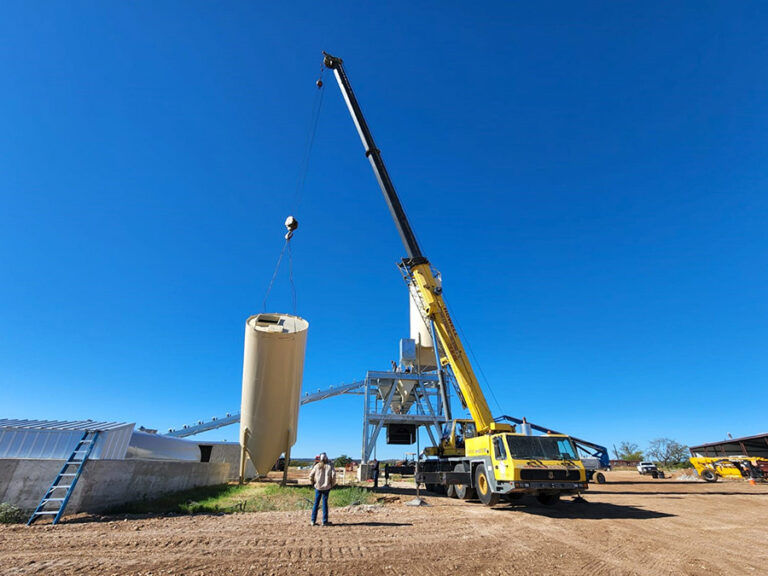
Built on Experience. Driven by Innovation.
In a competitive global market, not all concrete batch plant manufacturers are created equal. Some focus on building equipment. Others focus on improving how concrete is made. For more than 60 years, CMQ Engineering has done both. Established in 1964 and recognized as Australia’s leading concrete plant manufacturer, CMQ Engineering has built its reputation on delivering reliable,
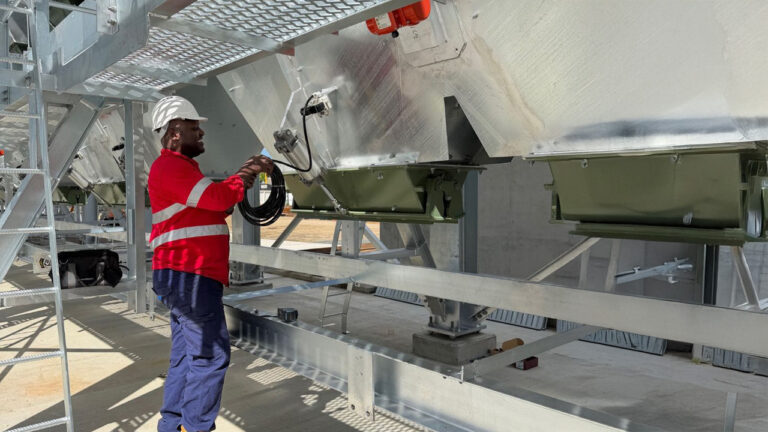
Building Better Concrete Starts Here
Concrete is everywhere. It forms the foundations beneath our feet, the roads we travel, and the structures that define our communities. Yet behind every successful project is something far less visible — but just as important: The system that produced the concrete in the first place. Because long before concrete is poured, finished, or tested…
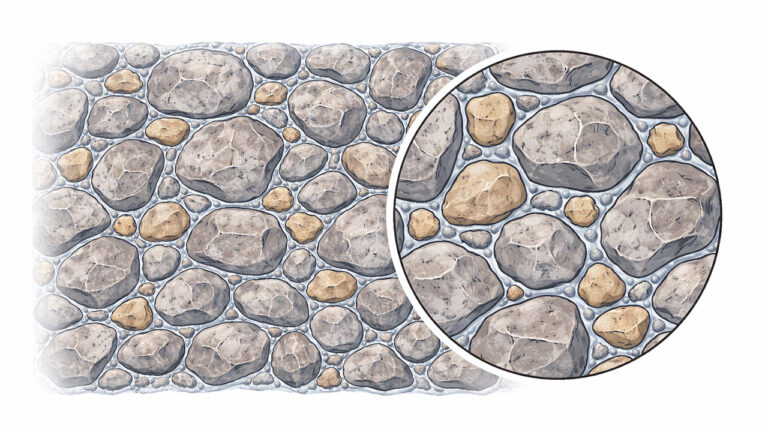
What makes concrete stronger — more cement, or a better structure?
Concrete strength begins with how aggregates fit together. When a mix is properly graded, smaller particles fill the voids between larger ones, creating a dense, interlocking matrix. This reduces empty space, increases density, and allows loads to transfer more efficiently through the concrete. The result? Higher compressive strength, improved durability, and less reliance on excess cement
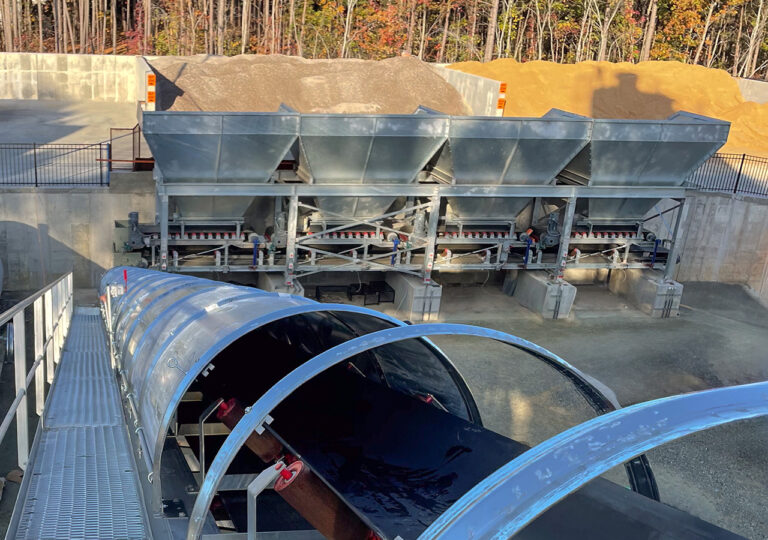
Most Concrete Plants Measure Aggregates. We Engineer the Mix.
In traditional concrete batching, aggregates are simply dropped, weighed, then dropped again — leaving segregation and inconsistency to work against the intended mix design. But real performance isn’t achieved by measurement alone. It comes from how those materials come together. By creating a dense, interlocking aggregate matrix, producers can reduce voids, improve load distribution, and
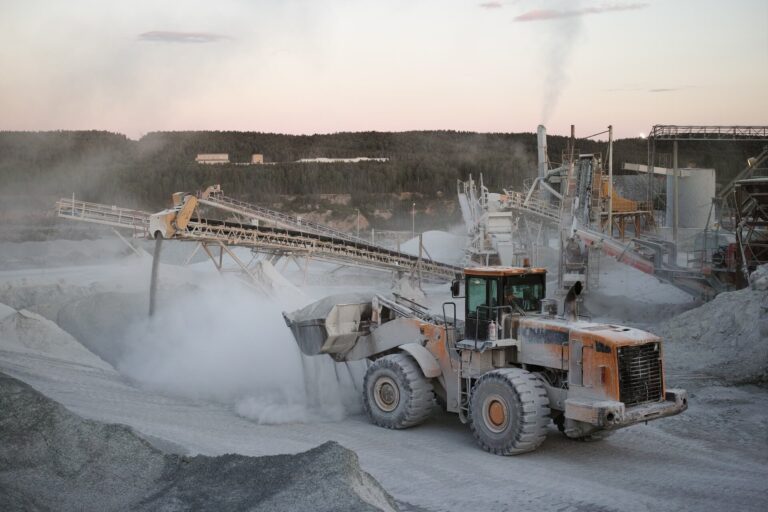
Dust Suppression Methods & Tips
In mining and construction, dust suppression is a crucial operation for ensuring worker safety, maintaining equipment integrity, and reducing environmental impacts. Dust can pose serious health risks, reduce visibility, and damage both equipment and the surrounding environment.